I Never Knew That
More interesting facts about camp
This is a continuation of a short story we previously posted.
Built in 1922, the Dining Hall was originally called “The Lodge”. It became a permanent building for meals and also served as a gathering place for the entire camp for meetings, indoor activities, and religious services. A large stone fireplace was central to many of these gatherings.

Camp Fuller had a large garden in the 1930’s which was used to feed the campers and staff during the Great Depression. Fresh vegetables were abundant from the garden and became a cost effective way to feed lots of hungry campers during lean times. Additional sources of food were gathered from the surrounding woods and fields. Quahogs, fish and lobster were pulled from Salt Pond as well.

In 1914, the real estate taxes on the original property at Turner Point were $ 11.00 a year. Before Frederic Fuller donated this property back to the Providence YMCA, Mr. Fuller had purchased the land with the plan to provide a permanent home for the summer camp which had previously been located in several different waterfront locations around the state.

Any boy attending Camp Fuller in the 1920’s wore a uniform which consisted of a grey sleeveless jersey, grey flannel shirt and khaki shorts. All the boys looked the same until the first big rainstorm.

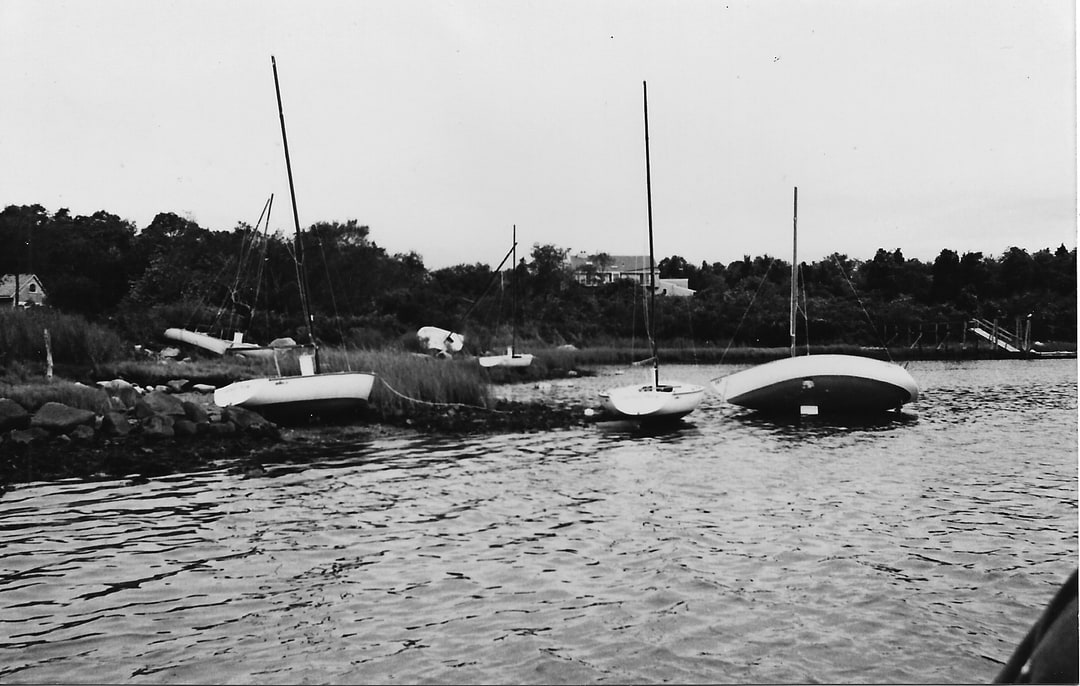
Camp Fuller was evacuated in August 1991 just before Hurricane Bob hit. The entire camp was transported into Wakefield where they stayed at a roller skating rink until the storm passed. Staff and campers took minimal belongings and spent the night. They returned to camp and found a lot of storm damage which was cleaned up to get camp back up and running.
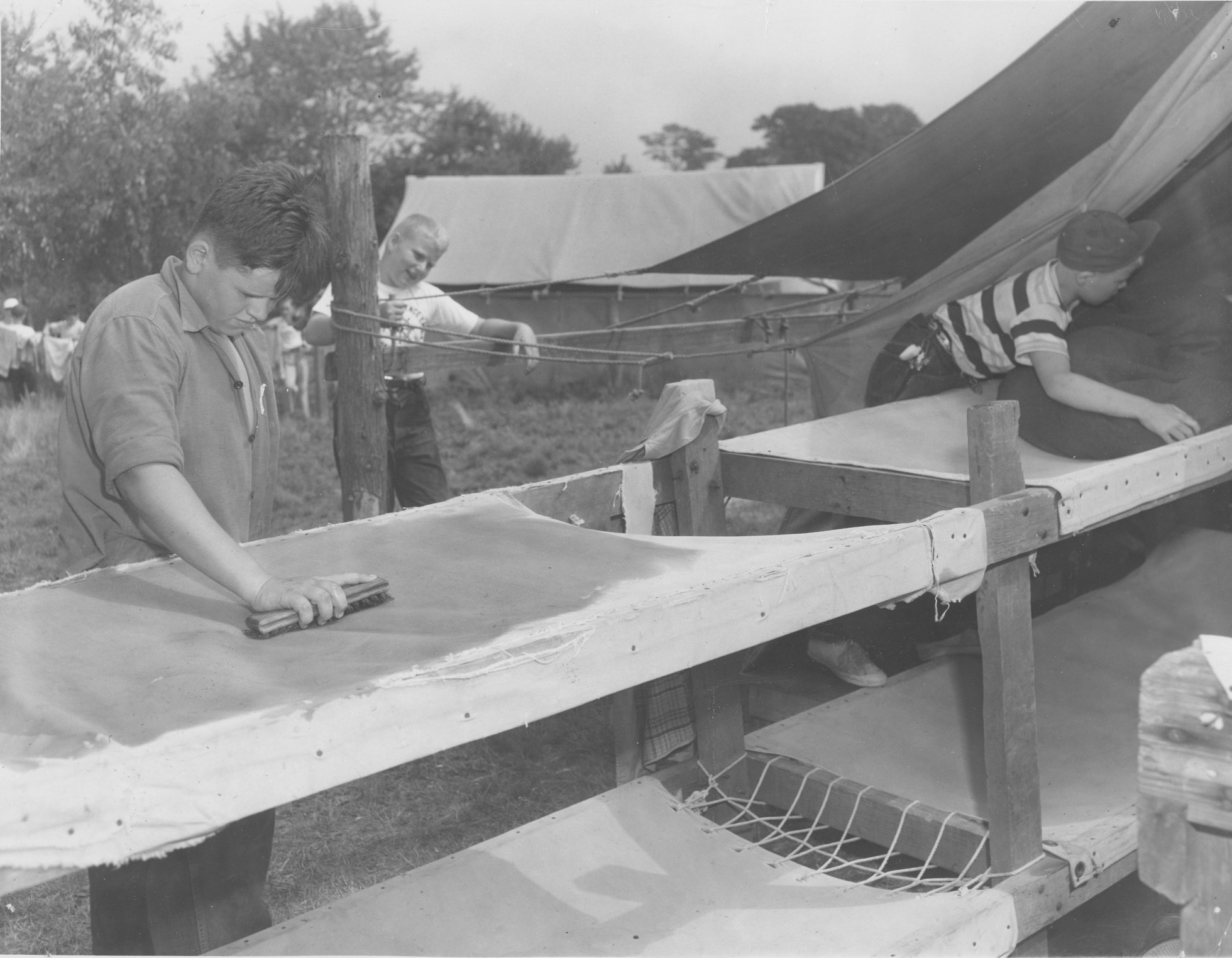
Camp Fuller has always had a rustic, no frills persona. Before mattresses were introduced, campers slept on canvas bunks built out of 2x4’s. From what we have heard, they were pretty comfortable.